The Cheaper Microsoft Plan That Appeared Only When You Tried to Cancel
5 min read

Picture a calendar with one date circled: 19 April. A customer buys Microsoft 365 Personal that day in 2024 for A$109, leaves automatic renewal switched on, and forgets about it, the way most of us do with things that just keep working.
Over the next year, that customer gets a lot of notice. There is a blog post in October, an email in January and a reminder in April. On 19 April 2025 the subscription renews at A$159. This is the example Australia's competition regulator gave when it took Microsoft to court, and it ends with a detail that stings: the subscriber never knew a A$109 plan was still on offer.1 So how does someone get three warnings and still miss the one thing that mattered?
The price tag and the missing door
The story starts on 31 October 2024, when Microsoft published a blog post announcing price rises at the next renewal. The rises came with a change to what you were buying. Copilot, Microsoft's AI assistant, was folded into the Personal and Family plans in Australia. Personal went from A$109 to A$159 a year, a rise of 45 per cent. Family went from A$139 to A$179, or 29 per cent.1
According to the regulator, the message to people on automatic renewal was a simple fork in the road. Accept Copilot at the higher price, or cancel.1 But there was a third path. Microsoft also offered "Classic" versions of both plans, which it described as "the price before the increase". Classic kept the core apps and regular security updates, though it left out Copilot and might not get new features.2 Monthly, the Copilot plans cost A$16 for Personal and A$18 for Family, while Classic cost A$11 and A$14.2
Here is the catch. The regulator alleges Classic was left out of Microsoft's messages entirely, and that you could find it only by starting the cancellation process.1 Imagine a restaurant that told you the set menu had gone up and that you could leave if you didn't like it. Then picture a cheaper menu that the waiter brought out only once you stood up and reached for your coat.
The regulator goes to court
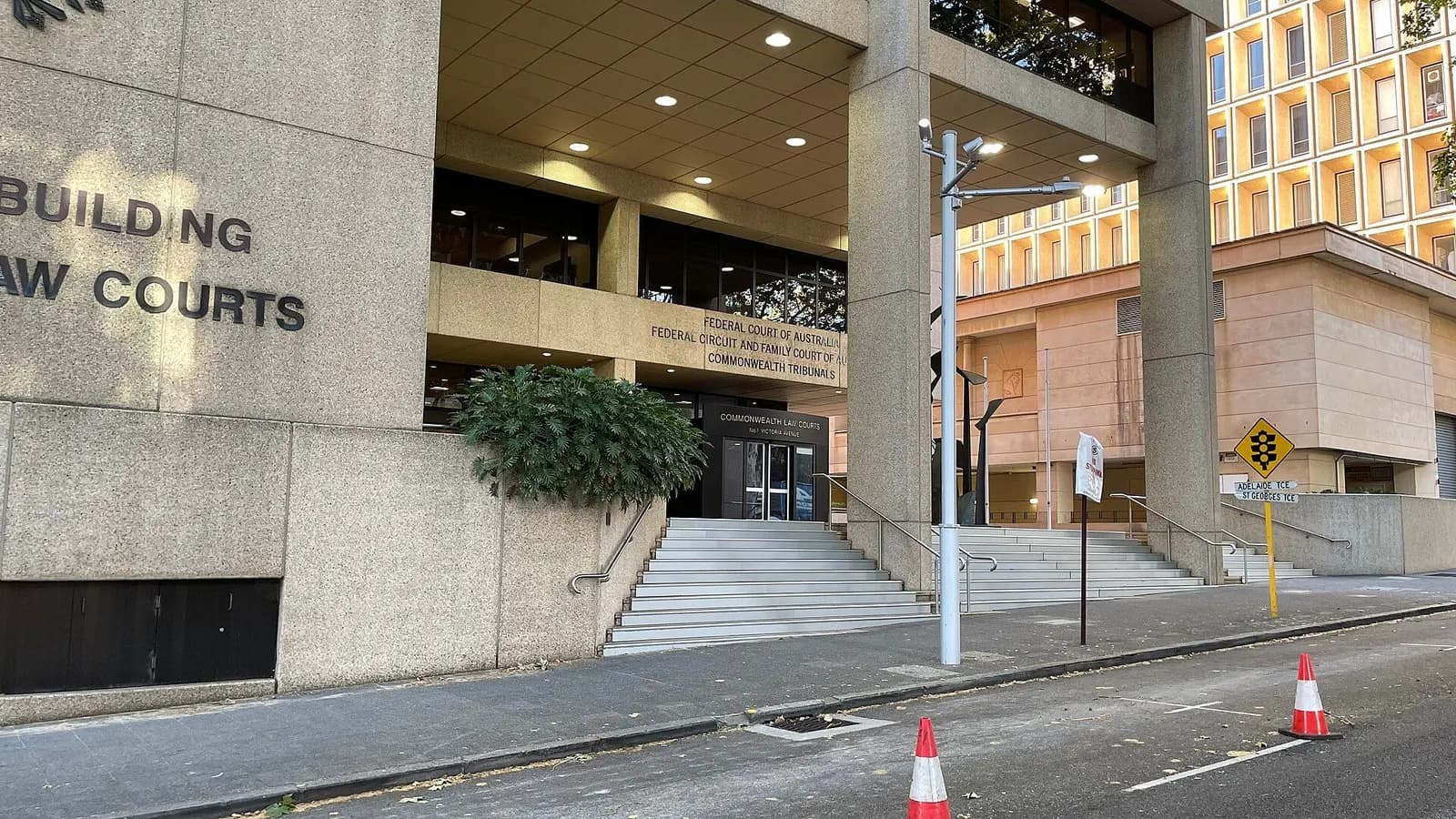
On 27 October 2025, the Australian Competition and Consumer Commission, the ACCC, began Federal Court proceedings against Microsoft Australia and its parent company, Microsoft Corporation. It alleged that about 2.7 million Australian customers had been misled, which is the ACCC's estimate of who was affected. The case covers only the home plans, not business subscriptions.1
Its claims rest on the Australian Consumer Law, including the rule against misleading or deceptive conduct and rules against false statements about price.34 A law firm's case note says the filing names three alleged misrepresentations, which it calls the "Copilot Necessity", "Price Necessity" and "Options" representations.4 In plain terms, the claim is that customers were led to believe they needed Copilot, needed the higher price, and had no other choice.
The ACCC's chair, Gina Cass-Gottlieb, put it bluntly. "We allege that Microsoft's two emails to existing subscribers and the blog post were false or misleading," she said.5 She also said Microsoft "deliberately omitted reference to the Classic plans in its communications".1 Those are allegations, not findings. A court has decided nothing.
The ACCC is asking for penalties, orders to stop the conduct, compensation for customers and costs. For a company, the maximum penalty per breach is the greatest of A$50 million, three times the benefit obtained, or 30 per cent of adjusted turnover, and the Court sets the figure.1 Microsoft's first response was that it was "reviewing the ACCC's claim in detail".3
An apology, and a deadline
Ten days after the filing, on 6 November 2025, Microsoft emailed its Australian Personal and Family subscribers an apology. "In hindsight, we could have been clearer about the availability of a non-AI enabled offering with subscribers," it said, adding that it "fell short of our standards".5
It came with an offer. Anyone who switched to Classic by 31 December 2025 would get a refund of the price difference, going back to their first renewal after 30 November 2024.2 A Microsoft spokesperson later said some eligible people received the wrong link, and corrected emails followed. The ACCC said the refund was not part of a settlement and that it would keep seeking penalties in court.5
That deadline has passed. As for the case itself, as far as public reporting shows, there has been no ruling, agreed penalty or settlement yet. A law firm described it as at a "very early stage" just after filing.4
Not just an Australian story
Something similar played out elsewhere. On 16 January 2025, Microsoft announced that US prices for Personal and Family would rise by US$3 a month, and that Classic plans without Copilot were available "for a limited time" to existing subscribers.6 A few weeks later, The Register reported that clicking "Cancel subscription" in a Microsoft account revealed the non-Copilot option, and that otherwise you were effectively moved to the dearer plan.7 Whether Microsoft's emails in other countries read like the Australian ones is not something the public record shows.
Regulators have noticed. In June 2026, Italy's competition authority opened an investigation into whether customers were moved to a dearer plan by default.8 In July 2026, the UK's Competition and Markets Authority opened its own, asking whether Microsoft misled customers when it moved them to pricier plans at renewal unless they acted.9 It has reached no conclusion on whether the law was broken, and expects to update the public by the end of 2026.10 "When a business changes its subscription plans, customers need clear and timely information about their options," said Hayley Fletcher of the CMA.9
The calendar, revisited
Go back to that circled date in April. The subscriber in the ACCC's example did not lack warnings. What was missing was the one fact that would have changed the decision, and it sat behind a button most people only press when they have already decided to leave.
That is why automatic renewals are such a strong default. If you do nothing, you pay the new price, and an option that appears only when you try to leave is one most people will never see. You can't fix how a company writes its emails. You can give yourself time to look before the charge lands.
That is the quiet job of a tracker like Subblink: it keeps each subscription, its price and its renewal date in one place, so a jump from A$109 to A$159 is something you can spot. Subblink also sends reminders before renewals, which leaves room to check the plan options, and even to start a cancellation just to see what is on the other side, before money moves.
Sources (10)
- Microsoft in court for allegedly misleading millions of Australians over Microsoft 365 subscriptions (reproduction of ACCC media release, 27 October 2025) — iTWire
- An apology to our Microsoft 365 subscribers in Australia — Microsoft Source Asia
- Microsoft sued for allegedly tricking millions into Copilot M365 subscriptions — BleepingComputer
- ACCC v Microsoft Corporation & Anor: case note (29 October 2025) — Wotton Kearney
- Microsoft to refund customers for 365 subscription price hike after ACCC action — ABC News (Australia)
- Copilot is now included in Microsoft 365 Personal and Family — Microsoft
- Microsoft 365 price rises are coming - pay up or opt out (if you can find the button) — The Register
- Italy opens an antitrust probe into Microsoft 365's AI price rise — The Next Web
- CMA investigates Microsoft over marketing of subscription plans — GOV.UK (Competition and Markets Authority)
- Microsoft: consumer protection enforcement case — GOV.UK (Competition and Markets Authority)
Try Subblink free.
Add your subscriptions and see what you spend each month. On a paid plan, Subblink can scan your Gmail and find them for you. Email scanning works with Gmail only for now.
Start freeFree for unlimited subscriptions. No credit card.