The Doorstep Salesman Behind Your Right to Cancel a Subscription
6 min read

On 18 February 1964, Edward Heath stood up in the House of Commons to explain a problem that sounded almost domestic. A salesman, he said, "gets the housewife on her own, and gets her to sign before she has a chance to talk it over." 1
It is a small scene: a knock, a kitchen table, a pen. But it sits at the start of the story of one of the most useful ideas in consumer life: the right to sign a deal and then take it back. Sixty-two years later that idea is heading for your free trials and your annual renewals. How did it get from the front door to the "renew" button?
Four days to write a letter
The law Heath was defending was the Hire Purchase Act 1964. Hire purchase was the way many families bought big items then, paying in instalments. The Act gave a buyer a right to cancel if the paperwork had been signed "at a place other than appropriate trade premises", which is a formal way of saying not in a shop. 2
The window was four days, counted from the day the buyer received their copy of the agreement, not from the day they signed. 2 That detail matters, because it meant the clock only started once you held the paper in your hands. (In the debate, Heath spoke of three days while another MP said four. The enacted text says four.) 21
Cancelling was meant to be easy. A notice counted however it was worded, as long as it showed you wanted out. 2 Heath put it plainly: a hirer could cancel "simply by writing a letter". 1
Heath also said the Bill was "largely based on the recommendations of the Molony Committee", a group that had "received many complaints about this practice". 1 And he was careful about the limits. He said an exceptional rule like this was justified only for door-to-door sales, because applying it to shop purchases would interfere with normal trade. 1 Another MP, Harriet Slater, put it in one line: "The cooling-off period will apply only to door-to-door selling." 1
Three days on the porch, then no porch
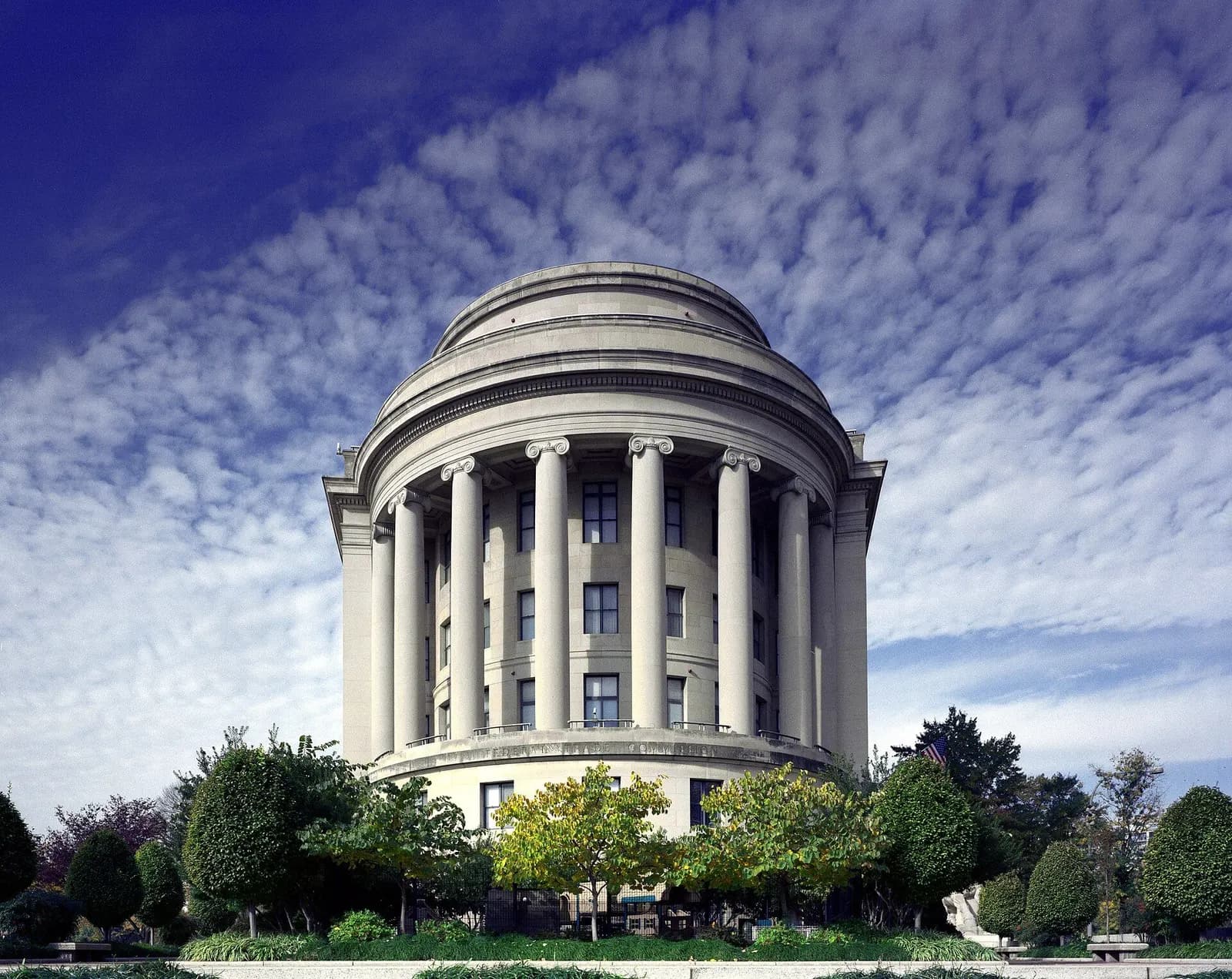
Eight years later a similar idea appeared across the Atlantic. On 26 October 1972, the US Federal Trade Commission published its own rule for sales made at people's homes. 3 The seller had to hand over a notice in duplicate and also tell the buyer out loud about the right to cancel. The notice promised that you could cancel "without any Penalty or Obligation, within THREE BUSINESS DAYS". 3 After a valid cancellation, the seller had 10 business days to give the money back. 3
The rule is still there, and it is still a porch rule. The FTC says it covers certain sales made at your home, workplace or dormitory, and that "business days" include Saturdays but not Sundays or federal holidays. It also says plainly that sales made entirely online, by mail or by phone are not covered. 4 So a typical American online subscription sign-up sits outside it.
Europe, meanwhile, was working on the opposite problem: buyers who never met the seller at all. In 1997 an EU directive gave people who bought at a distance "a period of at least seven working days" to withdraw "without penalty and without giving any reason". 5 For services, the clock started when the contract was made. 5 But there was already a catch. If the service began with your agreement before the seven days ended, the right to withdraw could vanish. 5
In 2011 the Consumer Rights Directive replaced that scheme and stretched the window to 14 days, counted for services from the day the contract is concluded. 6 The catch survived too. If you ask for a service to start straight away and acknowledge that you will lose the right once it has been fully provided, then once it has been, the right is gone. 7 For digital content you download or stream, the right is lost once supply starts with your express consent and your acknowledgement that you are giving it up. 7 So the consent you give before you start watching or downloading can matter more than it looks.
A window that opens when the trial ends
Subscriptions are awkward for all of these rules, because the moment you really commit is often not the moment you sign up. It is the moment a free trial quietly turns into a paid plan.
The UK has written a rule for exactly that. Part 4, Chapter 2 of the Digital Markets, Competition and Consumers Act 2024, together with draft regulations, covers subscription contracts between businesses and consumers. 8 They are scheduled to start on 1 January 2027, and they apply to contracts entered into on or after that date. 89 A government release in August 2026 said the rules would "now come into force in January 2027". 10 One caution: as of today the regulations are still a draft, not yet made into law, and the guidance says they are subject to Parliament's approval. 89
The draft describes two separate 14-day windows, and you can cancel in either without giving a reason or paying a penalty. 8 The first opens when you enter the contract. The draft's example: sign up on 1 January and your last cooling-off day is 15 January. 8
The second opens at a "relevant renewal". That means the first payment after a free or discounted period, or a renewal that commits you for 12 months or more, like an annual plan. A plain monthly renewal does not get a fresh window. 8
The trader is supposed to send you a written cooling-off notice at the start of the renewal period. If it does not, the window keeps running until 14 days after the notice is sent, up to a maximum of 12 months. 8 The same stretching applies if the business skips the information it owes you at sign-up. 8
Cancelling does not always mean paying nothing. If you had some of the service, you may owe a proportion. The draft's example is a £365 annual membership cancelled on day 4, where you would owe £4. 8 Any refund due should arrive within 14 days, by the original payment method unless you agree otherwise. 8 For digital-content-only subscriptions, you can waive the first window, but only by giving express consent and acknowledging the loss before supply begins, and the trader must confirm it in writing. 8
What to put in your calendar
Back at that kitchen table, the whole idea was that a person deserves a moment to think after the pen is down. Today the moment looks different, but the dates are just as specific: the day you sign up, the day a trial converts, the day a long contract renews.
They are easy to lose track of. This is the sort of thing Subblink is built for: it keeps each subscription's price and renewal date in one place and sends reminders before renewals and before free trials end. Knowing the trial turns paid on a particular day is how you work out when a 14-day window opens and when it closes.
If you do cancel, do it in a way you can prove. A cancellation sent before the deadline counts even if the trader receives it afterward, but in a dispute the burden of proof falls on you, so the draft guidance advises keeping durable proof. 8
And remember the limits. Subscriptions taken out before 1 January 2027 are not covered by the new UK rules. 8 The draft also leaves out some categories, such as utilities and financial products. 8 The US rule from 1972 does not reach online sign-ups. 4 The EU right is keyed to the day the contract is concluded. 6 The lesson from that kitchen table still holds. A right to change your mind is only as good as your memory of when the clock started.
Sources (10)
- Hire-Purchase (No. 2) Bill [Lords], House of Commons second reading, 18 February 1964 (HC Deb vol 689 cc1035-149) — UK Parliament, Historic Hansard
- Hire Purchase Act 1964, section 4 (as enacted): Right of cancellation of certain hire-purchase and credit-sale transactions — legislation.gov.uk (UK National Archives)
- 16 CFR 429.1 - The Rule (Cooling-Off Period for Sales Made at Homes or at Certain Other Locations) — Cornell Legal Information Institute (reproducing the Code of Federal Regulations)
- Buyer's Remorse: The FTC's Cooling-Off Rule May Help — Federal Trade Commission (consumer.ftc.gov)
- Directive 97/7/EC of the European Parliament and of the Council of 20 May 1997 on the protection of consumers in respect of distance contracts (Official Journal L 144, 4.6.97) — Official Journal of the European Communities, via legislation.gov.uk
- Directive 2011/83/EU (Consumer Rights Directive), Article 9: Right of withdrawal — legislation.gov.uk (EU-derived legislation)
- Directive 2011/83/EU (Consumer Rights Directive), Article 16: Exceptions from the right of withdrawal — legislation.gov.uk (EU-derived legislation)
- Draft Guidance on Consumer Subscription Contracts (Part 4, Chapter 2 of the DMCCA 2024 and the draft Consumer Subscription Contracts (Cancellation and Information) Regulations 2026), published October 2026 — UK Department for Business, Innovation, Science and Trade (gov.uk)
- The Consumer Subscription Contracts (Cancellation and Information) Regulations 2026 (draft) — legislation.gov.uk (UK National Archives)
- PM starts roll out of 'everyday fixes' on the cost of living, ending rip-off discounts and subscription traps (9 August 2026) — GOV.UK (Prime Minister's Office, 10 Downing Street)
Try Subblink free.
Add your subscriptions and see what you spend each month. On a paid plan, Subblink can scan your Gmail and find them for you. Email scanning works with Gmail only for now.
Start freeFree for unlimited subscriptions. No credit card.